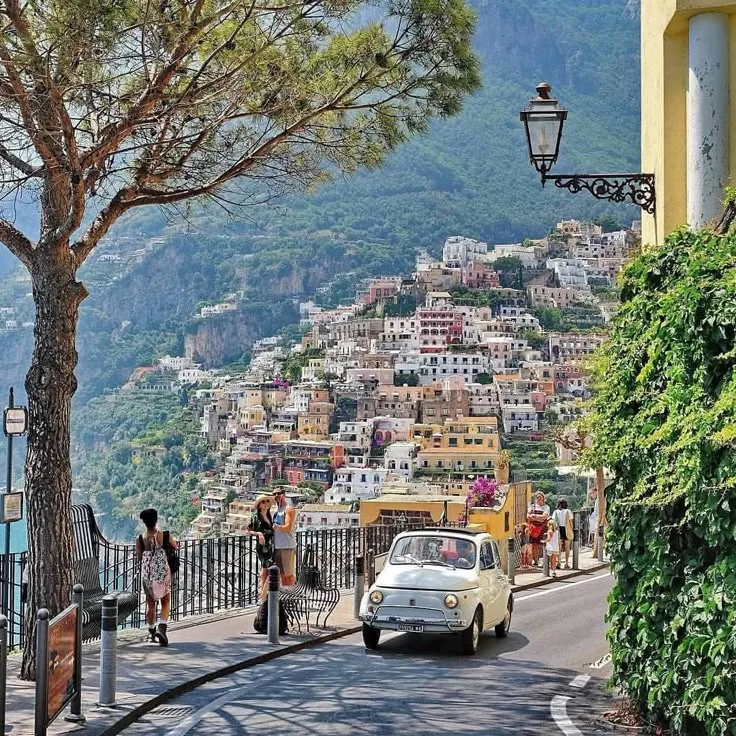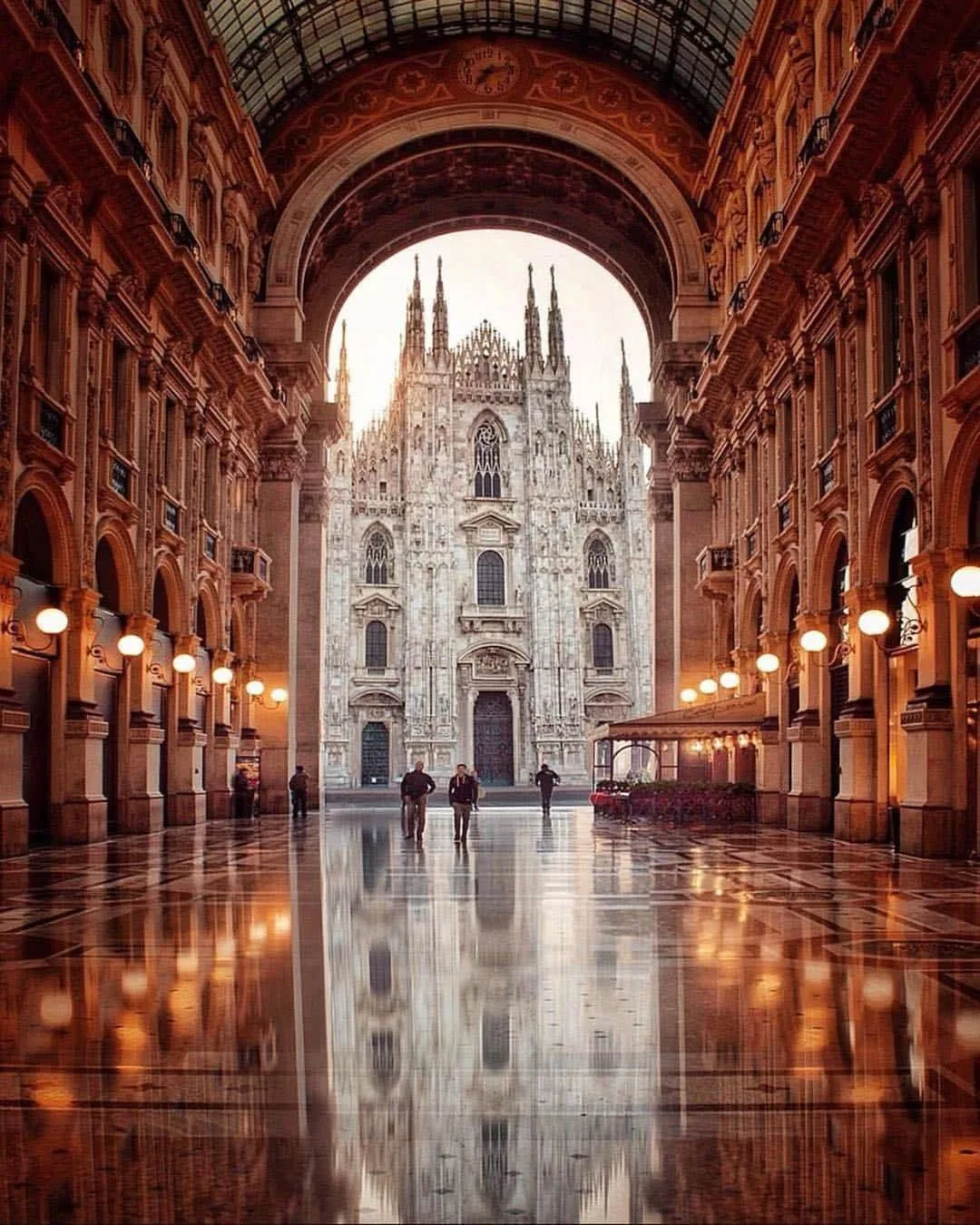
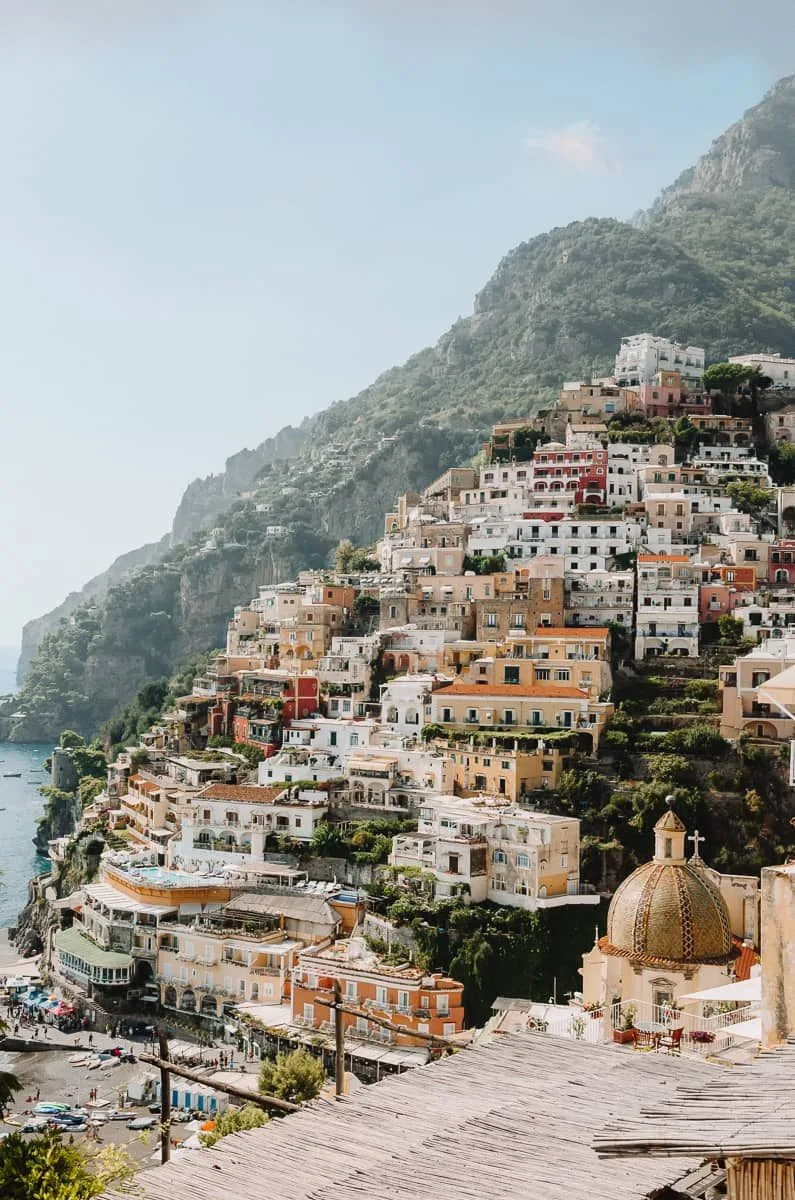
The Amalfi Coast is one of the most photographed places in the world — dramatic cliffs, colorful villages, and the sparkling Tyrrhenian Sea. For many, owning a property here is the ultimate Italian dream. But what does it really take to buy a home on the Amalfi Coast in 2025? In this article, we’ll explain the property market, costs, legal steps, and mortgage options — so you can turn your Amalfi dream into a reality with clarity and confidence.
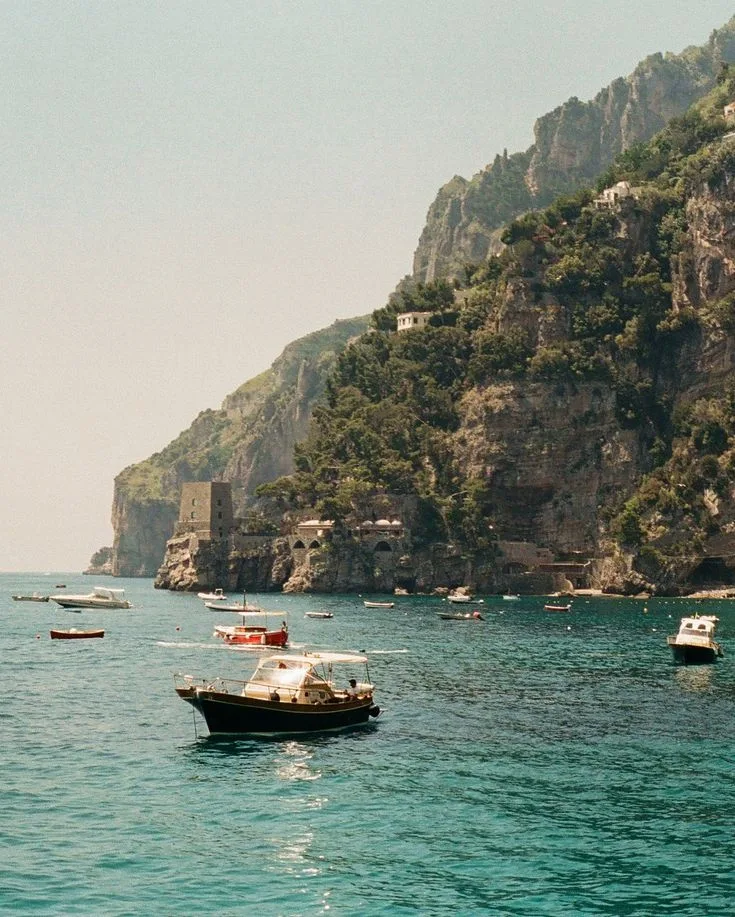
Why the Amalfi Coast?
The Amalfi Coast combines lifestyle, history, and investment appeal:
- World-famous towns like Positano, Amalfi, and Ravello
- Luxury tourism ensuring strong rental demand
- Proximity to Naples and Capri for travel connections
- Cultural heritage — UNESCO World Heritage status
The area is competitive and exclusive, but for buyers who want prestige and lifestyle, it’s hard to beat.
How Much Does Property Cost on the Amalfi Coast?
Prices here are among the highest in Southern Italy:
- Luxury villas with sea views: €2–10+ million
- Apartments in central villages: €500,000–€1.5 million
- Smaller properties inland or needing renovation: €250,000–€500,000
Demand is strong, especially from international buyers, which keeps prices stable even in shifting markets.
Can Foreigners Buy Property on the Amalfi Coast?
Yes. Italy imposes no restrictions on foreign ownership. Buyers from the EU, UK, US, and many other countries can purchase freely.
The main steps include:
- Obtaining an Italian tax code (Codice Fiscale)
- Signing contracts with a notary
- Paying taxes and fees (registration, notary, property tax)
Financing an Amalfi Coast Home
Because homes here are expensive, financing becomes an important tool. Many foreigners assume cash purchases are the only option — but that’s not true.
Typically, mortgages cover 60–70% of the property value, subject to income and credit checks.
Step-by-Step Guide to Buying on the Amalfi Coast
- Choose your town — Positano for glamour, Amalfi for history, Ravello for peace, or smaller villages for value.
- Get your Codice Fiscale — required for any legal purchase.
- Secure mortgage pre-approval — strengthens your offer in a competitive market.
- Make an offer through an agent — negotiations are common.
- Sign preliminary contract (Compromesso) — includes deposit.
- Finalize with the notary (Rogito) — deed is registered, mortgage (if any) activated.
Challenges to Keep in Mind
Buying here is a dream, but not without challenges:
- High competition — properties move quickly.
- Premium prices — expect higher taxes for luxury or second homes.
- Renovation limits — strict heritage rules may apply.
Final Thoughts
The Amalfi Coast remains one of Italy’s most sought-after real estate markets in 2025. With breathtaking views, strong rental demand, and timeless beauty, it’s no wonder buyers dream of owning here.
FAQs About Buying on the Amalfi Coast
1. How much are taxes on Amalfi Coast properties?
Expect registration tax, notary fees, and higher second-home taxes. Luxury homes may also have additional costs.
2. Can foreigners get a mortgage for Amalfi properties?
Yes. Italian banks lend to international buyers, often covering 60–70% of the purchase price.
3. Are Amalfi Coast properties a good investment?
Yes. Thanks to global demand and high tourism, homes here maintain value and often generate strong rental income.
4. Do I need to live in Italy to buy here?
No. Non-residents can buy freely, but you’ll need an Italian tax code and a notary to complete the purchase.
5. Can I renovate a historic home on the Amalfi Coast?
Yes, but expect restrictions from heritage authorities.