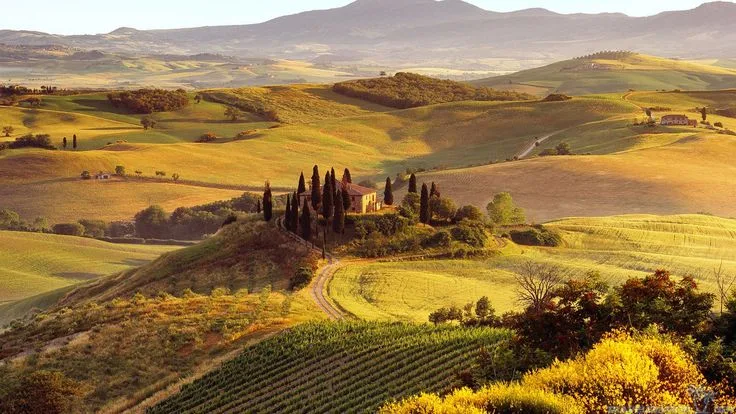
Buying property in Tuscany is more than just a real estate investment—it's a lifestyle decision. With its rolling hills, vineyard-covered valleys, charming medieval towns, and world-class cuisine, Tuscany continues to attract buyers from all over the world looking for their piece of la dolce vita. If you're considering buying a home in this iconic region, here’s what you need to know before taking the leap.
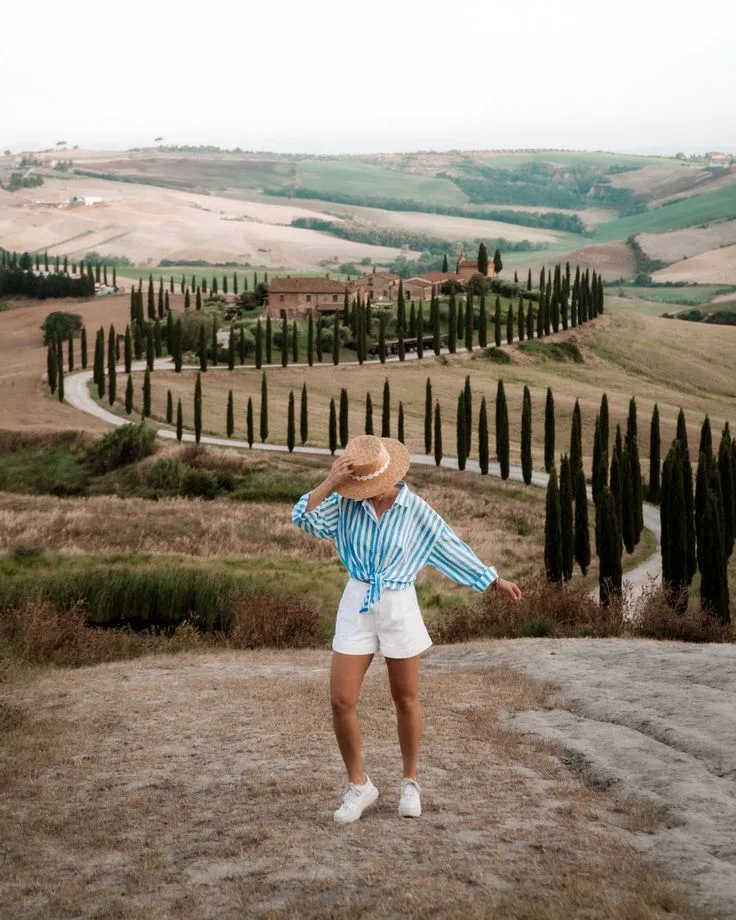
Why Tuscany?
Tuscany is one of the most sought-after regions in Italy for a reason. It combines breathtaking scenery with a rich cultural heritage and a slower pace of life that many find irresistible.
Top reasons to buy property in Tuscany:
- Timeless countryside landscapes and vineyards
- Historical villages and Renaissance cities like Florence, Siena, and Lucca
- Excellent food, wine, and lifestyle
- Reliable infrastructure and access to airports and rail lines
- Long-term value for both personal use and rental income
What Types of Properties Can You Buy?
Tuscany offers a wide variety of property types to suit different budgets and goals:
- Rustic farmhouses (casali) surrounded by olive groves and vineyards
- Restored villas with panoramic countryside views
- City apartments in Florence or Siena, ideal for short stays or rentals
- Country homes in less touristy areas, offering more space and affordability
Whether you’re looking for a vacation home, a retirement retreat, or a profitable rental investment, Tuscany has something to offer.
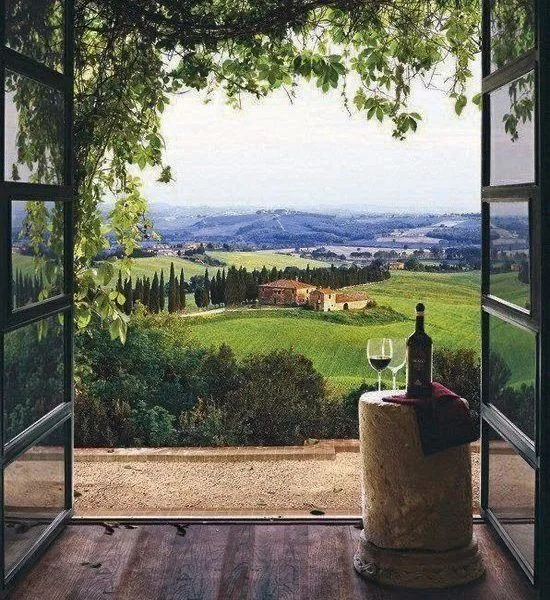
Yes, You Can Get a Mortgage in Tuscany as a Non-Resident
Foreigners are welcome to buy and finance property in Tuscany. Italian banks regularly offer mortgages to international buyers, including non-residents.
Here’s how it works:
- Financing up to 60–70% of the property value
- Competitive interest rates
- Repayment terms from 10 to 25 years
- Required documentation includes proof of income, assets, ID, and credit history
Understanding the Buying Process in Tuscany
1. Property Search:
Work with local agents familiar with the region and the international market.
2. Preliminary Agreement (Compromesso):
Once you choose a property, you’ll sign a binding preliminary contract and pay a deposit (usually 10–30%).
3. Mortgage Application:
If you need financing, get a pre-assessment from a bank before making an offer.
4. Final Deed (Rogito):
A licensed notary completes the transfer of ownership and registers the deed.
Additional Costs to Plan For
In addition to the purchase price, budget around 7–10% extra for:
- Purchase taxes (varies by residency and property type)
- Notary fees
- Real estate agent commissions
- Legal and translator services
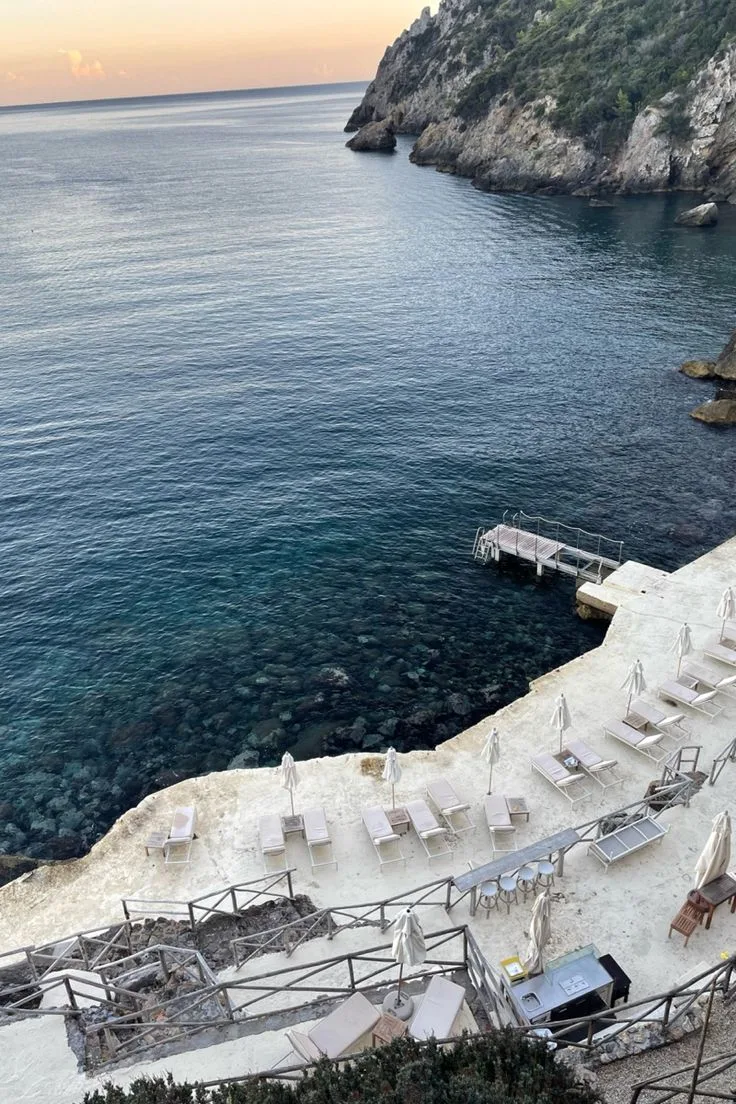
A Smart Investment for the Future
Property in Tuscany is not only a dream fulfilled—it’s also a sound investment. The region enjoys strong and steady demand from both domestic and international buyers, and many properties offer excellent potential for vacation rentals.
Whether you're planning to relocate, invest, or simply enjoy seasonal stays, Tuscany offers lifestyle and financial value that’s hard to beat.