
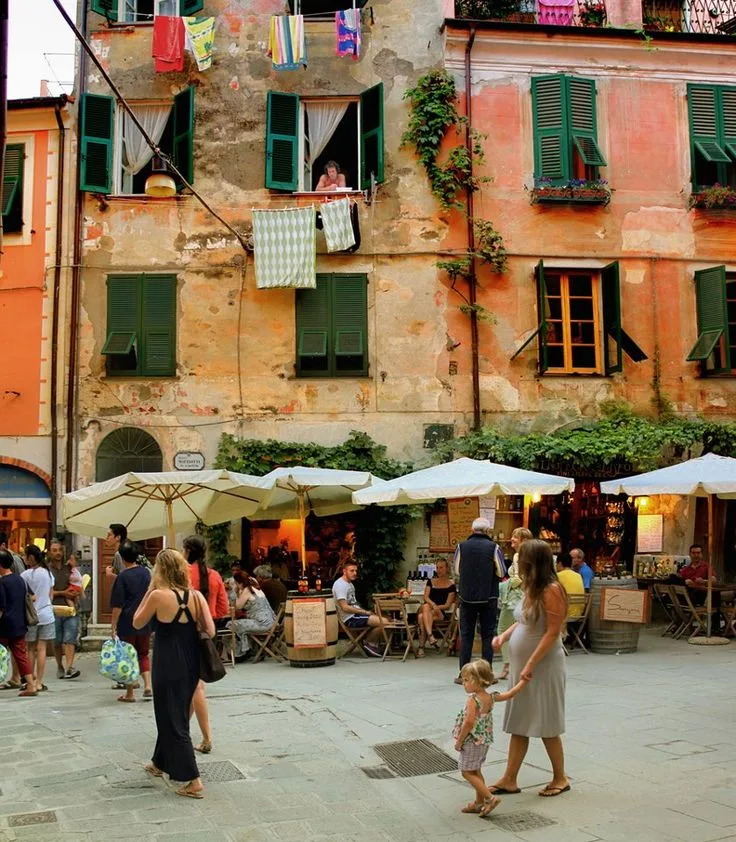
Thinking about buying a home in Italy? You’re not alone! From rolling Tuscan hills to charming seaside villages, Italy is a dream destination for many. But as beautiful as the idea sounds, the process of buying property here can come with a few unexpected challenges—especially if you’re a foreigner. Whether you’re planning a vacation home, a permanent move, or an investment, here are some of the key challenges foreigners face when buying property in Italy—and how to navigate them smoothly.
1. Language Barriers
Let’s start with the obvious: Italian is the official language of all legal documents, contracts, and property records. If you're not fluent, this can be a major source of stress and misunderstanding.
Tip: Always work with a trusted bilingual agent, mortgage broker, and possibly a translator for legal documents.
2. Understanding the Bureaucracy
Italy is famous for its beautiful architecture—and equally famous for its complex bureaucracy. Expect paperwork, slow processes, and layers of approvals. From tax codes to residency rules, it’s not always straightforward.
Tip: A knowledgeable mortgage broker can help you cut through red tape and guide you step-by-step through the system.
3. Financing and Mortgages for Foreigners
Getting a mortgage in Italy as a non-resident is possible—but not always easy. Some banks may have stricter requirements or limited loan options for foreigners.
4. Understanding Market Prices and Property Values
Italy’s property market can be tricky. Prices vary drastically between regions, and some listings may be overpriced—especially in tourist hotspots.
Tip: Always request a property valuation or comparative market analysis.

5. Legal and Tax Implications
You’ll need to consider property taxes, notary fees, and possibly capital gains tax if you sell. Ownership structures (like buying as an individual or through a company) can also impact your long-term tax strategy.
Tip: Work with a local notary (notaio), tax advisor, and property lawyer.
6. Cultural Differences in Negotiation
In Italy, property negotiations are less aggressive than in other countries, and things move at a slower pace. Offers are often made in writing and are legally binding.
Tip: Be patient and strategic. Do your homework and you’ll navigate negotiations the Italian way—without any missteps.
7. Hidden Costs and Renovation Surprises
Found your dream farmhouse? Be prepared: older properties often need more renovation than expected. And costs can add up fast.
Tip: Get a professional survey done before buying.
Final Thoughts
Buying property in Italy as a foreigner is possible—and can be one of the best decisions you ever make. Yes, there are challenges, but with the right guidance and support, you can turn those challenges into stepping stones.