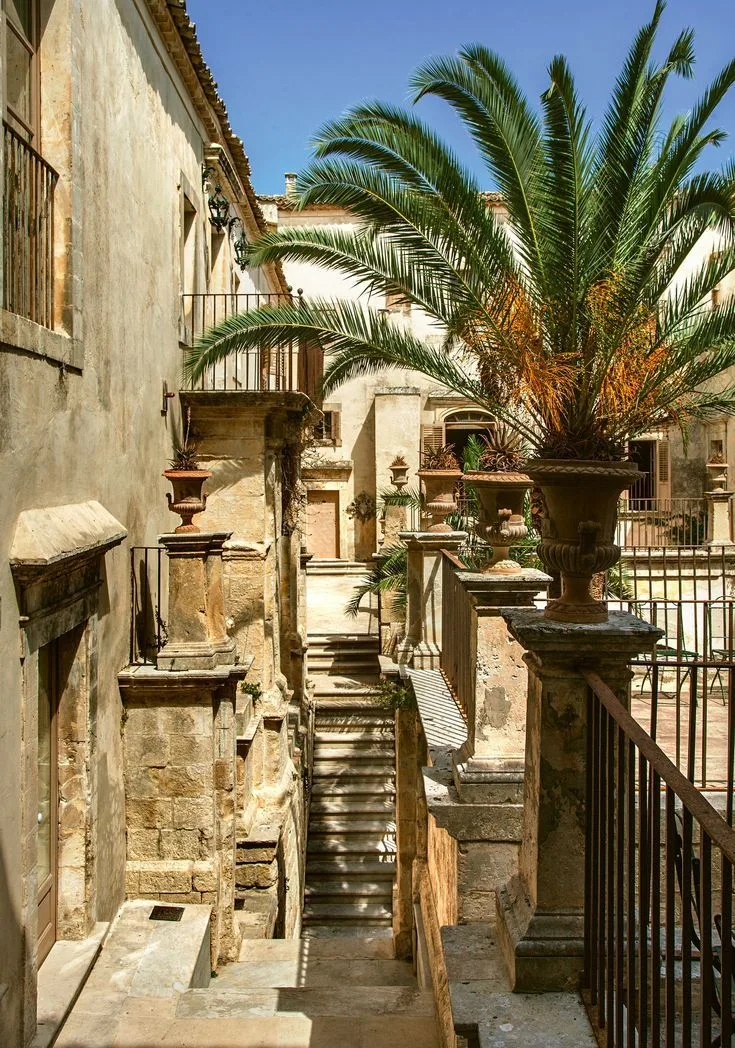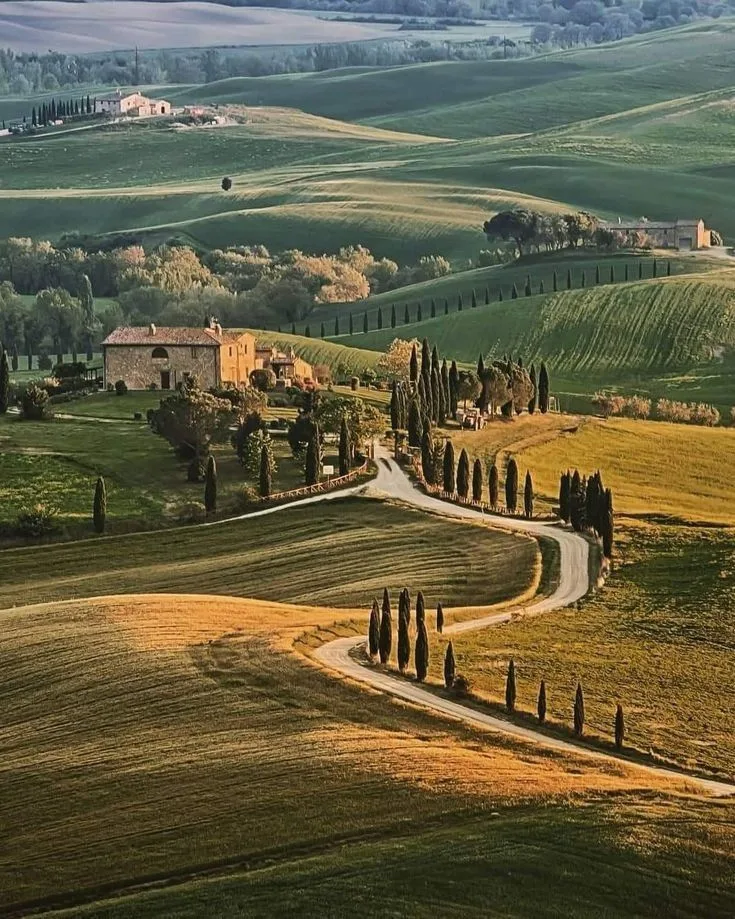
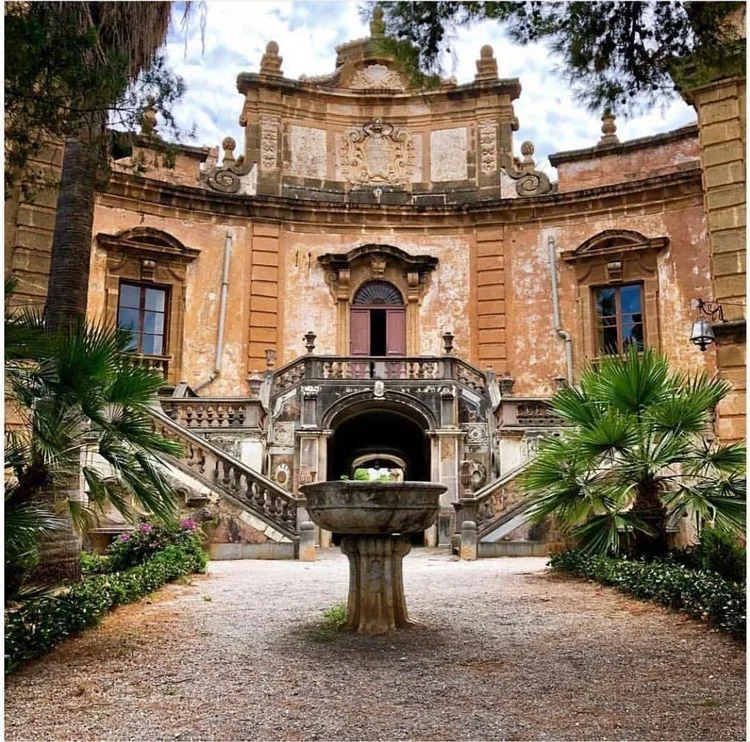
The idea of buying a house in Italy for just 1 euro has captured global attention. It sounds like a dream come true — a charming property in an authentic Italian town for less than the cost of an espresso. But as with many things in Italy, the reality is a little more complex. It’s important to explain both the opportunities and the realities behind these symbolic homes.
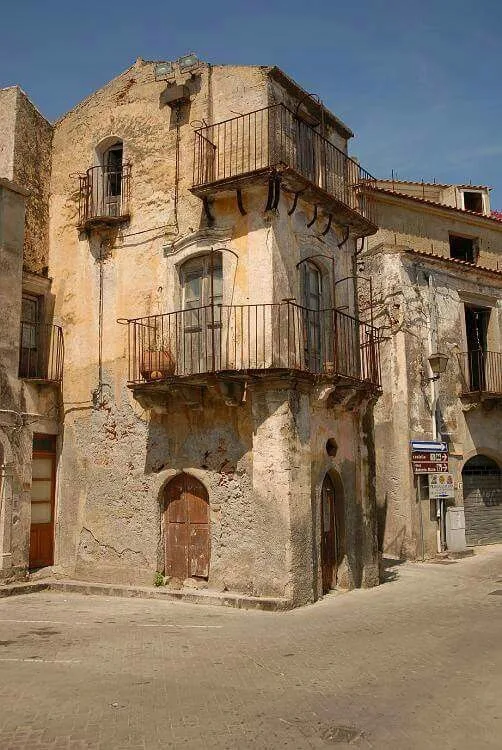
What Are 1 Euro Houses?
The 1 Euro House program was created by small Italian municipalities facing depopulation. Abandoned homes are sold for a symbolic €1, provided that the buyer commits to renovating the property within a few years.
It’s a smart way to attract new residents, breathe life into historic villages, and preserve Italy’s cultural heritage. But it also means buyers must be prepared for renovation costs, paperwork, and municipal requirements.
Where to Find Them in 2025
As of 2025, the program is active in several regions:
- Sicily (towns like Sambuca di Sicilia and Mussomeli)
- Sardinia (Ollolai and other rural villages)
- Calabria (Cinquefrondi, often called the “town of rebirth”)
- Umbria & Tuscany (smaller towns seeking new residents)
Each town publishes its own application process and deadlines, so it’s essential to review official municipal websites before applying.
The True Costs Behind a 1 Euro House
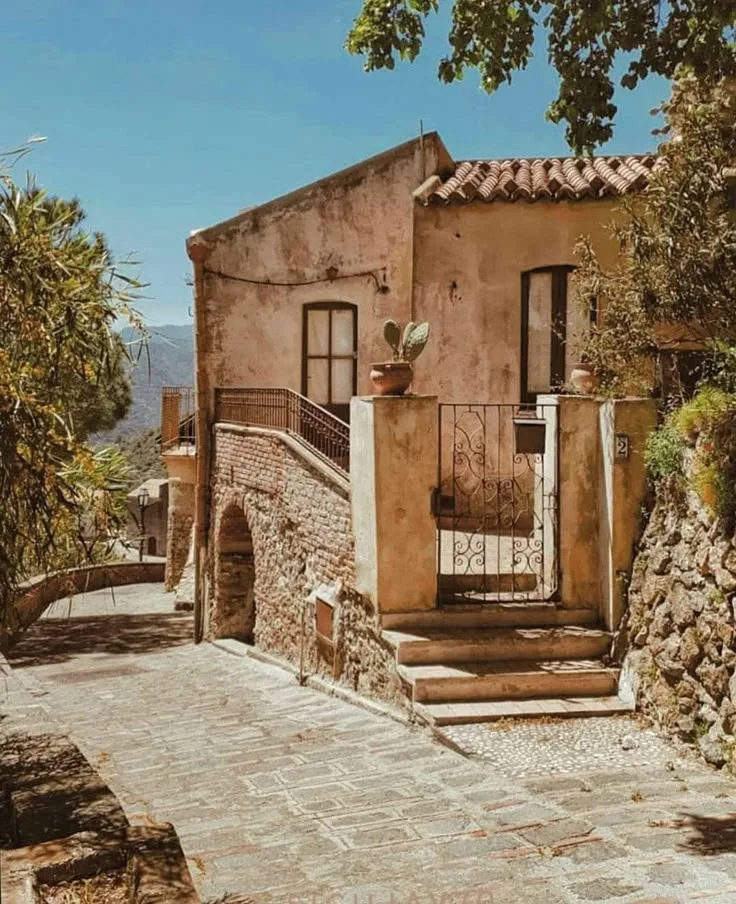
While the purchase price is symbolic, the real investment comes from renovation. Here’s what you should budget for:
- Deposit or guarantee: €2,000–€5,000 (refundable once renovations are complete)
- Renovation works: often €20,000–€70,000 depending on size and condition
- Taxes & legal fees: registration, notary, municipal permits
- Ongoing costs: property tax (IMU), waste tax, utilities
This is where professional guidance becomes valuable — especially for financing the renovation phase.
Can Foreigners Buy 1 Euro Houses?
Yes. The program is open to both Italians and international buyers. The requirements usually include:
- Proof of financial ability to renovate
- Submission of a renovation plan
- Agreement to start works within a fixed timeframe (often 3 years)
Some towns may also favor buyers who intend to live there permanently or start a business that supports the local economy.
Is a 1 Euro House Right for You?
The program is ideal if you:
- Are excited about renovation projects
- Prefer authentic towns over tourist hubs
- Have flexibility with location
- Want to experience Italian life at a slower pace
It may not be suitable if you’re looking for a move-in-ready property in a well-connected city. In that case, traditional real estate options (with mortgage support) may be a better fit.
Final Thoughts
The 1 Euro House program in Italy is an exciting opportunity, but one that requires clear planning and realistic budgeting.
FAQs About Buying 1 Euro Houses in Italy
1. Can foreigners really buy a 1 Euro house in Italy?
Yes. The program is open to both Italians and international buyers. You’ll need to provide proof of funds, a renovation plan, and meet the deadlines set by the municipality.
2. How much does it actually cost to renovate a 1 Euro house?
Most buyers spend between €30,000 and €80,000. Costs vary depending on the property’s condition, local construction prices, and your renovation goals.
3. Do I need a mortgage for a 1 Euro house?
Not for the symbolic purchase itself, but many foreigners use a renovation loan or mortgage to cover the renovation works. Compare offers from several banks.
4. How long do I have to complete the renovation?
Typically, municipalities require renovations to be completed within 3 years. Each town sets its own rules, so it’s important to review the local call for applications carefully.
5. Is a 1 Euro house a good investment?
It can be, but the main value is lifestyle rather than resale profit. If your goal is a holiday home or retirement retreat in an authentic Italian town, it may be a perfect fit.